MODULE 01
LESSONS 1–4
LESSONS 1–4
Narrative & Design Exploration
Study context, 21st-century precedents, and a design thesis; then test initial ideas through sketches, massing models, site response, and visualisation.
Architecture studio for ages 13+
Two 16-hour pathways for students preparing to think, make, and communicate a distinctive architectural portfolio.
One offer, two ways to begin
Portfolio building is not one-size-fits-all. Some students begin by responding to a site, programme, and design brief; others begin with a personal obsession, a creative habit, or a story that is already theirs.
Our two Portfolio Building pathways give students the framework that best fits their learning style, current skill level, and target university requirements.
Pathway comparison
| Feature | Option A: Context-Driven Track | Option B: Identity-Driven Track |
|---|---|---|
| Who It Is For | Beginner students wanting to try architecture for the first time. | Committed applicants with strong design interests ready to build a full, high-impact university portfolio. |
| Primary Driver | External parameters: site, analysis, programme, and physical constraints. | Internal narrative: hobbies, routines, personal history, artefacts, sound, and art. |
| Main Strength | Introductory taste of real-world studio design processes. | High originality, personal voice, and portfolio distinction. |
| Project Output | Realistic spatial design tied to a specific location and user brief. | Conceptual spatial proposal expressing an authentic personal thesis. |
Context-Driven Track · Project Simulation
A 16-hour, project-based introduction to the architecture studio. Students work with an external brief, site conditions, precedents, and programme to learn how architects move from research to proposal.
This is a supportive taster for students who want to experience the design process.
Study context, 21st-century precedents, and a design thesis; then test initial ideas through sketches, massing models, site response, and visualisation.
Refine the strongest direction into spatial logic, material, atmosphere, drawings, models, portfolio pages, and a final presentation.
Analyse a given real-world site and programme brief, identifying spatial constraints, environmental conditions, and user needs.
Map physical site parameters—sun path, circulation, views, and topography—and translate findings into foundational spatial diagrams and sketch explorations.
Develop physical scale-study models and basic architectural drawings, including floor plans, sections, and elevations, to solve the brief’s spatial requirements.
Package the project onto layout boards, photograph physical models, and present the final proposal in a simulated university studio critique.
Identity-Driven Track · Personal Portfolio Incubator
This 16-hour identity-first approach to portfolio building uses physical workshops, software, and fabrication tools as narrative converters.
Students translate personal obsessions—hobbies, sound, art, or daily routines—into authentic, university-grade spatial portfolios.
Unearths a student’s personal identity and translates their non-design interests into tactile spatial concepts through guided material experimentation and custom prompts.
Translates conceptual spatial ideas into technical digital fabrications—such as 3D printing and CAD modeling—and documents the full process into a polished, university-ready portfolio layout.
One-to-one diagnostic mentorship and identity-mapping worksheets extract personal obsessions to define a unique spatial thesis.
Physical material labs in clay, wire, and acrylic turn abstract personal themes into tactile spatial experiments before digital work begins.
Open-ended themes drive CAD, BIM, laser cutting, and 3D printing toward a personalised spatial proposal.
Photography-studio work and graphic-design principles compile process, iterations, and physical artefacts into a compelling visual layout.
Skills and fit
Both pathways are open to all foundational levels; no prior CAD or software experience is required. Classes are capped at two students, allowing concentrated mentoring and feedback.
Option A suits younger explorers and beginners who want a structured entry into studio process. Option B suits committed applicants and creative thinkers ready to turn their art, hobbies, routines, and personal passions into a standout university portfolio.
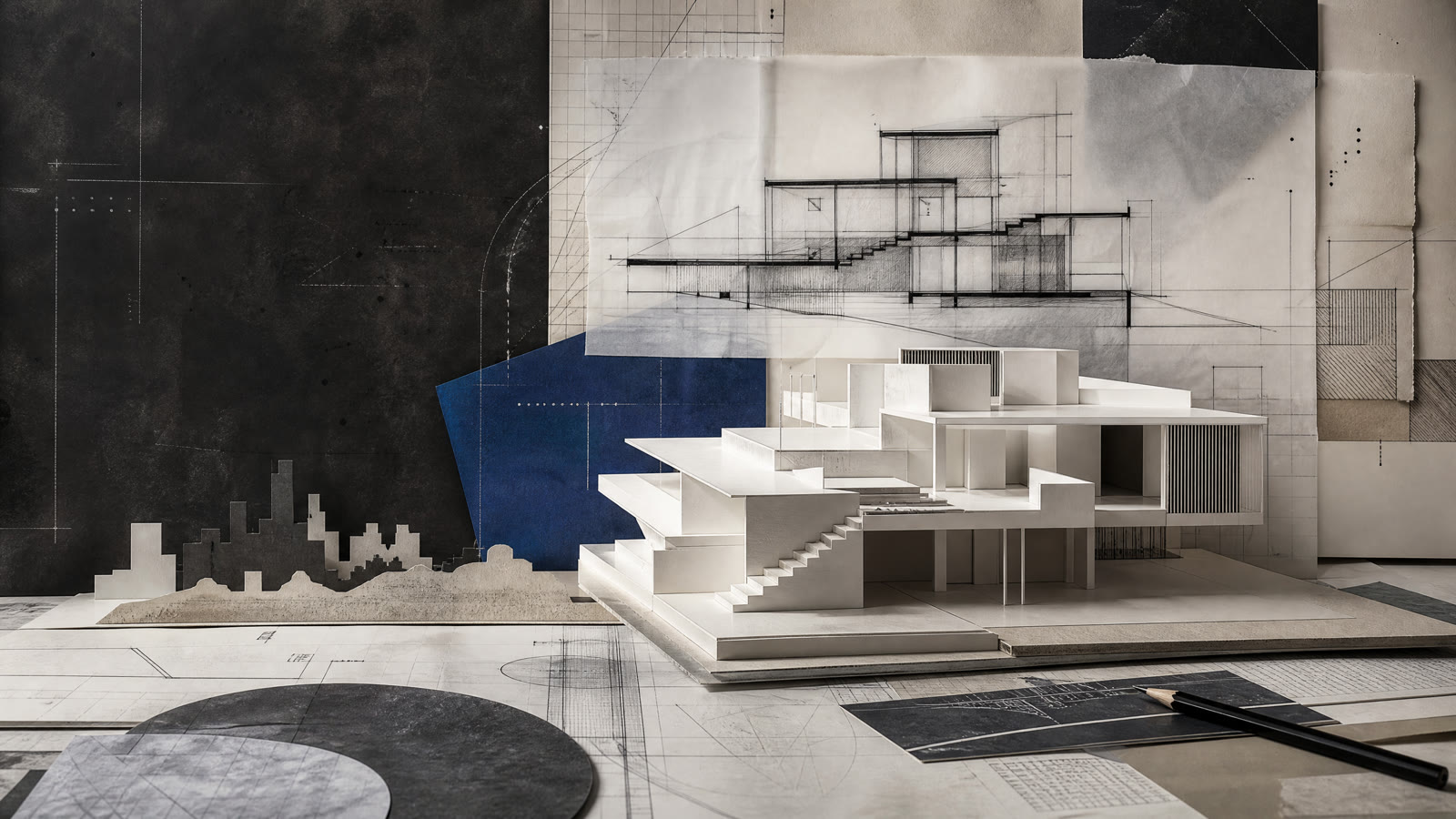
Evidence of process


Shared course details
Both 16-hour pathways include studio-led teaching, project guidance, portfolio-development support, material exploration, and feedback.
Portfolio consultation
Feel free to arrange a face-to-face meeting with our team to explore the best approach to portfolio building for your own preference.
Start the conversation
Tell us where you are in your design journey and which pathway interests you. We will help you select the right starting point for your portfolio.